
EPISODE INTRO
In the 9th episode of the Japan Distilled podcast, your hosts Christopher Pellegrini & Stephen Lyman begin a three episode process of clearing up multiple misconceptions about Japanese shochu. In this episode we explain the differences between honkaku, otsurui, korui, konwa, single distilled, multiply distilled, and white liquor categories of shochu in Japan. Over the past 120 years all of these terms have been used to describe different production styles at various points in time. It is all quite convoluted and based on arcane Japanese tax regulations, but hopefully you will have a clear understanding by the end of this episode.
CREDITS
Theme Song: Begin Anywhere by Tomoko Miyata (http://tomokomiyata.net/)
Mixing and Editing: Rich Pav (https://www.uncannyjapan.com/)
HOSTS
CHRISTOPHER PELLEGRINI Vermont born and bred, long-time Tokyo resident and author of The Shochu Handbook, Christopher learned about delicious fermentations as a brewer at Otter Creek (Middlebury, VT). He now spends most of his waking hours convincing strangers that shochu and awamori are unlike anything they’ve ever tried before.
STEPHEN LYMAN discovered Japan’s indigenous spirits at an izakaya in New York City. He was so enthralled that he now lives in Japan and works in a tiny craft shochu distillery every autumn. His first book, The Complete Guide to Japanese Drinks, was nominated for a 2020 James Beard Award.
When talking about shochu, 99.9% of the time we are referring to Honkaku Shochu rather than the other spirits types. If you listen long enough and taste along you will definitely understand why.
If you have any comments or questions about this episode of Japan Distilled, please reach out to Stephen or Christopher via Twitter. We would love to hear from you.
SHOW NOTES
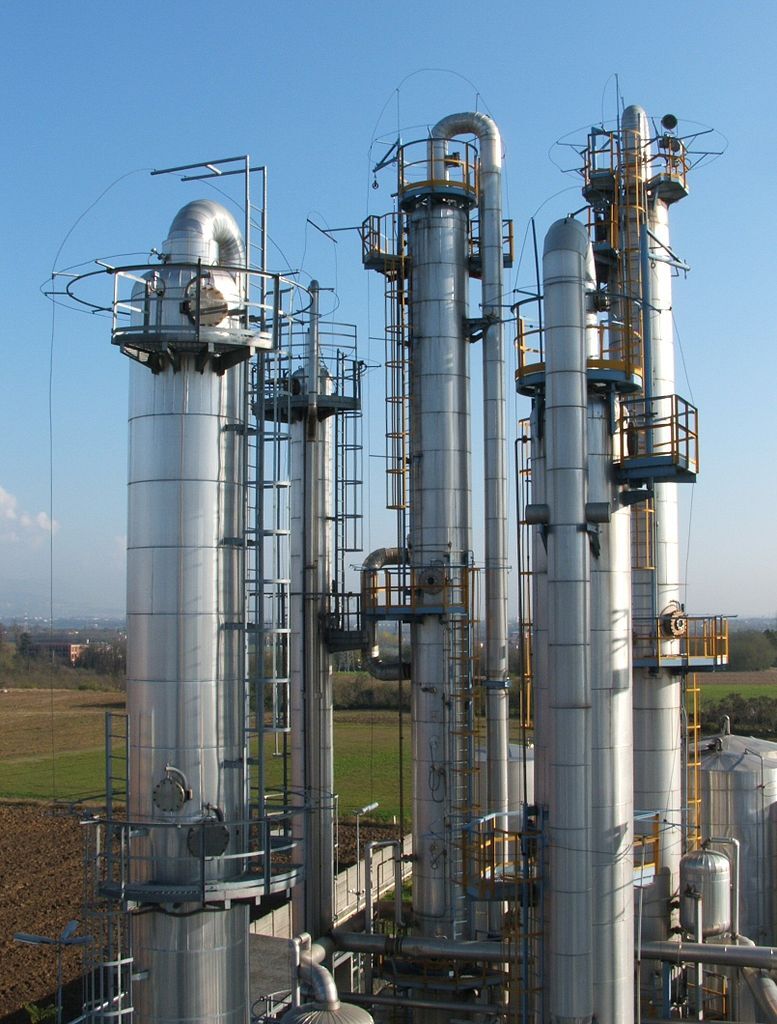
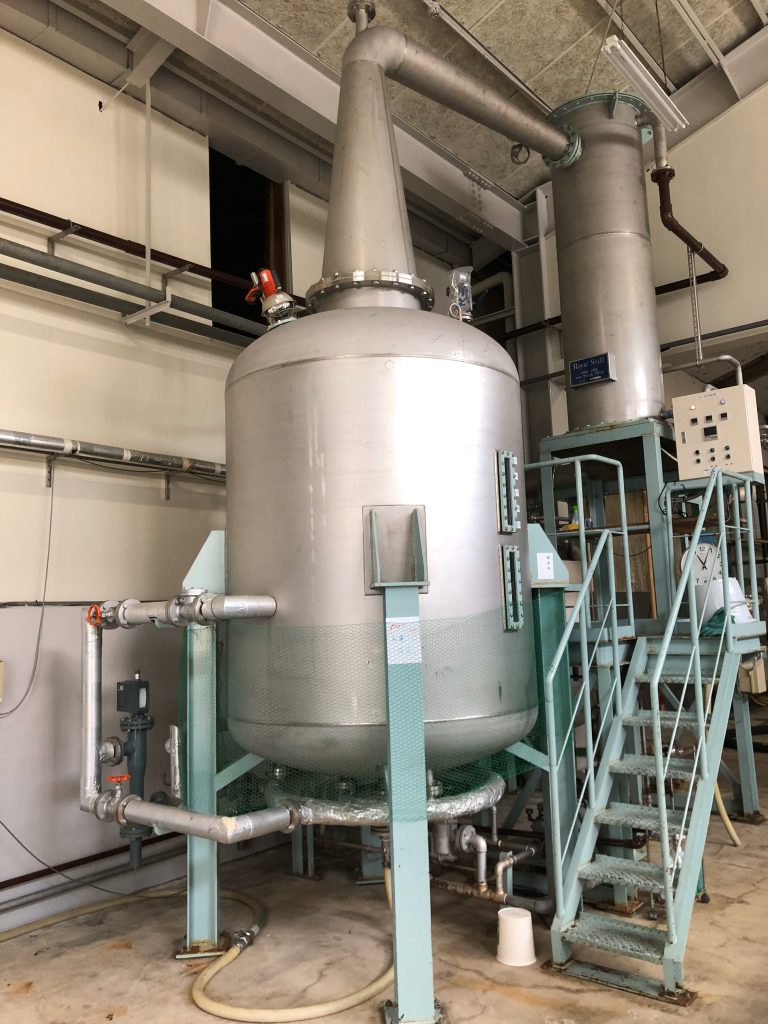
Timeline of Shochu Regulatory Categories
1500~1885 shochu unregulated, always made in a pot still.
1885~1910 shochu referred to any distilled spirit even after introduction of the column still.
1910~1949 shochu categorized as old machine (pot still) or new machine (column still).
1949~1971 shochu recategorized. New machine renamed korui (superior) and old machine renamed otsurui (2nd class) – multiply distilled shochu considered superior to pot distilled shochu.
1971~2002 Two new subcategories added to otsurui. “Honkaku” to refer to authentic pot distilled shochu made in a traditional way and “white liquor” to refer to pot distilled shochu that was not made in a traditional way. Korui definition unchanged.
2002~2006 White liquor definition changed back to otsurui (2nd class) to refer to single pot distilled shochu not made in a traditional way. New definition of white liquor is as an alternative way to label korui shochu, forever confusing those who study this stuff.
2006~2021 Honkaku and otsurui styles officially renamed “singly distilled” and korui renamed as “multiply distilled to remove the implied superiority of korui v. otsurui. These designations are not used on labels.
Today Honkaku Shochu will always have 本格焼酎 on the label as this is considered the premium product and the only style to be considered kokushu (national liquor of Japan) along side sake.
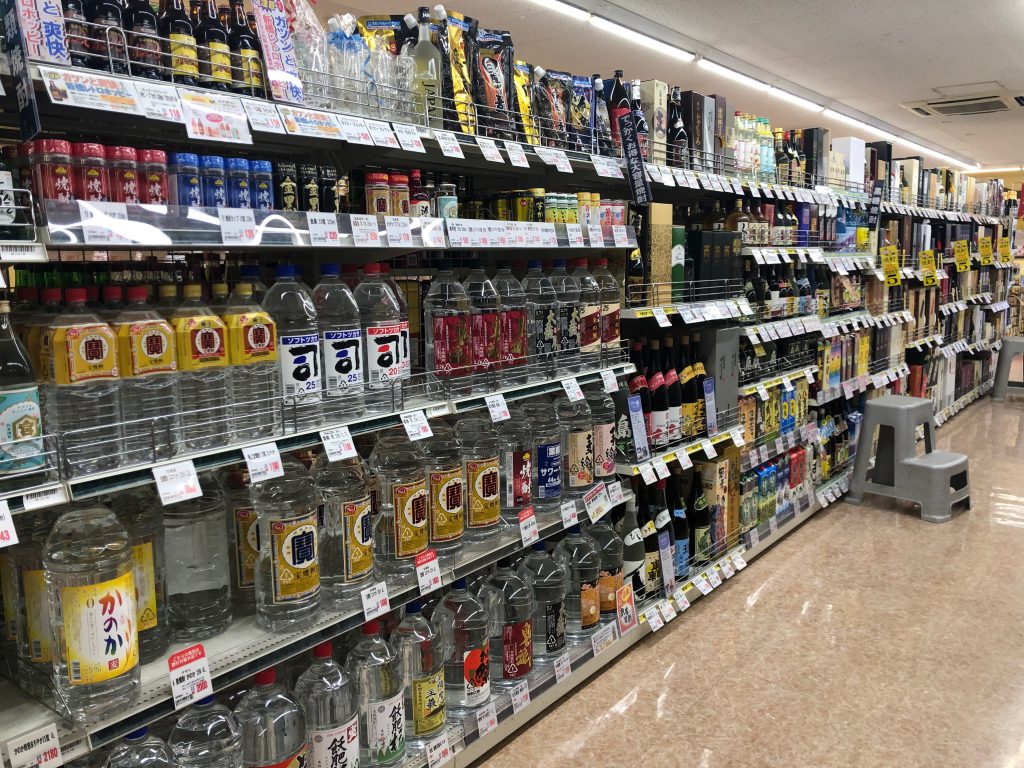
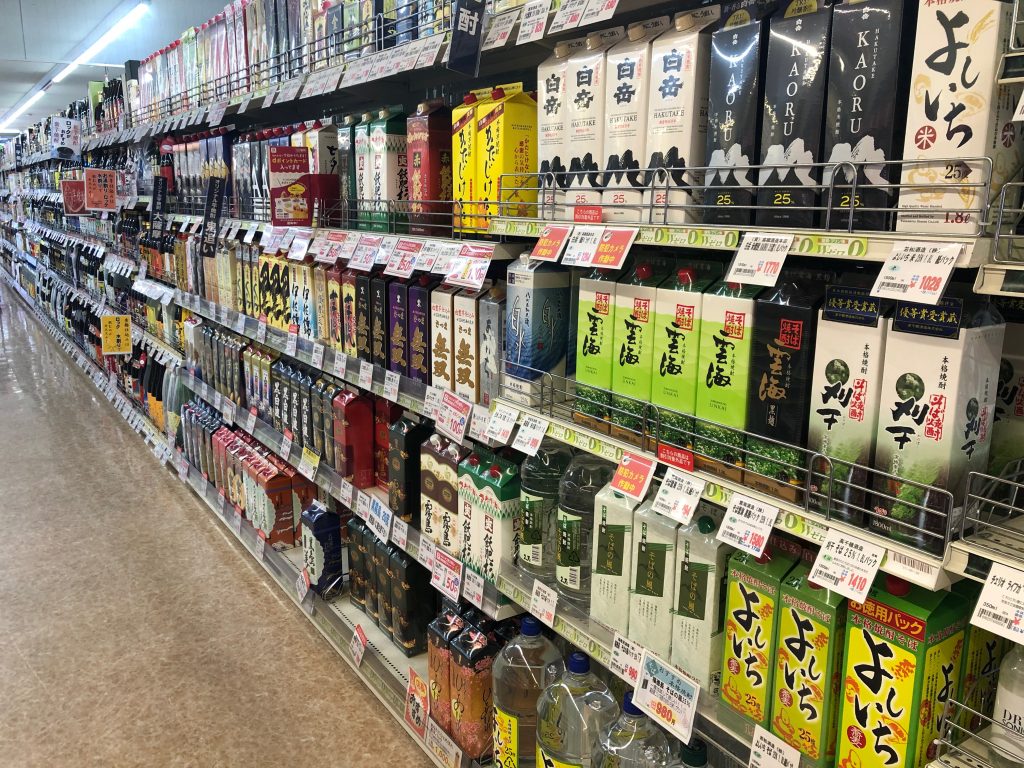
Further Distinctions
Today, these terms are used to differentiate different types of shochu under Japanese regulation.
Honkaku Shochu traditionally made authentic shochu. Must be made with koji and approved main fermentation ingredients and then distilled in a pot still. Nothing can be added after distillation other than water and time. Must be under 45% alcohol by volume (ABV).
Otsurui Shochu pot distilled shochu either not made from an approved ingredient or with <2% added sugar. Must be under 45% ABV.
Korui Shochu multiply distilled alcohol produced in Japan. Cannot be over 35% ABV. Cannot be barrel aged for over 1 year and if barrel aged, cannot be sold at over 25% ABV.

Konwa Shochu blend of Honkaku or otsurui and korui shochu.
Otsu-ko Konwa Shochu subcategory of konwa shochu in which more than 50% of the blend is pot distilled shochu.

Ko-otsu Konwa Shochu subcategory of konwa shochu in which more than 50% of the blend is mulitiply distilled shochu. Most konwa shochu is made this way.
White Liquor while no longer an official designation, this is another name for korui shochu. It is often sold under this name when being used for home umeshu production.


