
EPISODE INTRO
In the 21st episode of the Japan Distilled podcast, your hosts Christopher Pellegrini and Stephen Lyman explore hot shochu (read “warm”) service styles for the traditional Japanese spirits of honkaku shochu and ryukyu awamori. While other styles exist these days, (listen to episode 20 on cold shochu styles) shochu served warm is probably most traditional.
CREDITS
Theme Song: Begin Anywhere by Tomoko Miyata (http://tomokomiyata.net/)
Mixing and Editing: Rich Pav (https://www.uncannyjapan.com/)
HOSTS
CHRISTOPHER PELLEGRINI Vermont born and bred, long-time Tokyo resident and author of The Shochu Handbook, Christopher learned about delicious fermentations as a beer brewer at Otter Creek (Middlebury, VT). He now spends most of his waking hours convincing strangers that shochu and awamori are unlike anything they’ve ever tried before.
STEPHEN LYMAN discovered Japan’s indigenous spirits at an izakaya in New York City. He was so enthralled that he now lives in Japan and works in a tiny craft shochu distillery every autumn. His first book, The Complete Guide to Japanese Drinks, was nominated for a 2020 James Beard Award.
Stephen and Christopher do not always agree on how best to enjoy these drinks.
If you have any comments or questions about this episode of Japan Distilled, please reach out to Stephen or Christopher via Twitter. We would love to hear from you.
SHOW NOTES
Warm Service Styles
Traditional honkaku shochu had traditionally been served warm, probably due to the common practice of boiling water for safety added to the common belief among Japanese that warm drinks are better for you health. This week we dive into these hot shochu styles.
Oyuwari
The most common hot shochu service is oyuwari (oyu = hot water, wari = cut) in which you pour shochu or awamori over hot water usually in a 4:6 to 6:4 ratio for a 25% ABV shochu or awamori. It gets a bit technical to do it correctly and as Christopher is fond of saying, each shochu will express better at different temperatures. Playing around with this is part of the fun.
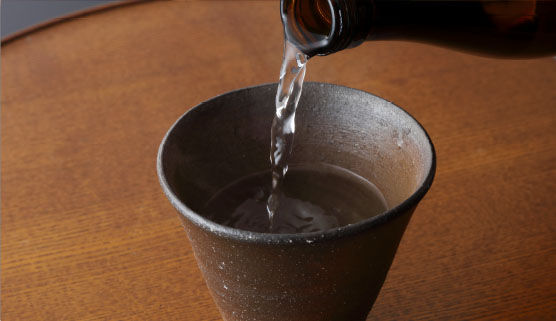
Christopher’s recipe for oyuwari is this.
- Heat water to approximately 70° Celsius (Christopher has lived in Japan for nearly 20 years so despite being American, he has adopted the Celsius system), which is 158° Fahrenheit.
- Pour water into a ceramic vessel to your desired level. The water going into the vessel should be 62-68° C (144-154° F).
- Slowly pour shochu into the water to your desired level. The target temperature when this is finished should be 45° C (113° F).
Remember, alcohol boils at 173° F (78° C) so you definitely do not want to pour the shochu into water hotter than that. In Christopher’s experience, temperatures between 68-78° C (154-173° F) may still scald other compounds in the spirit, reducing flavor and aroma enjoyment.
A strategy to keep your ceramic vessel warm longer is to pre-warm the cup. This is most easily done by pouring in hot water, letting it cool, and then dumping that water out before making your drink.
The most common mistake made by izakaya even in Japan is using the same heat level used to make tea to make oyuwari shochu. Green tea is most often made with water temperatures of about 80° C (176° F), which is above alcohol’s boiling point. They may not only be ruining the flavors, but even burning off some of your potential buzz.
Maewari
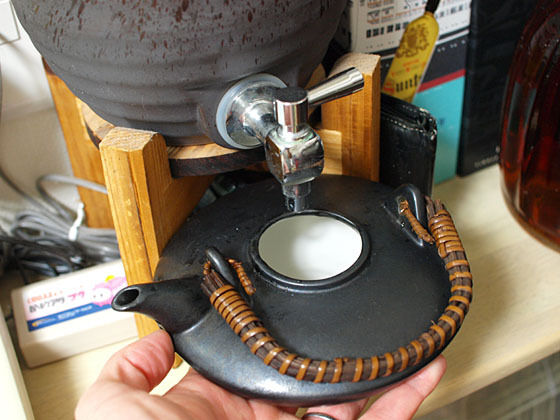
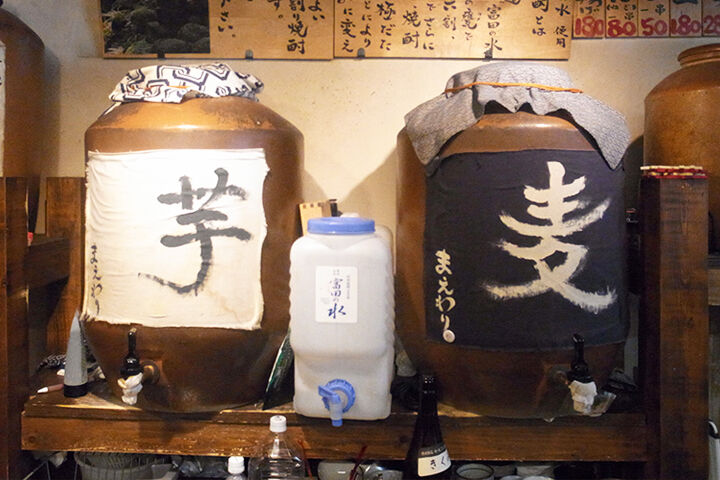
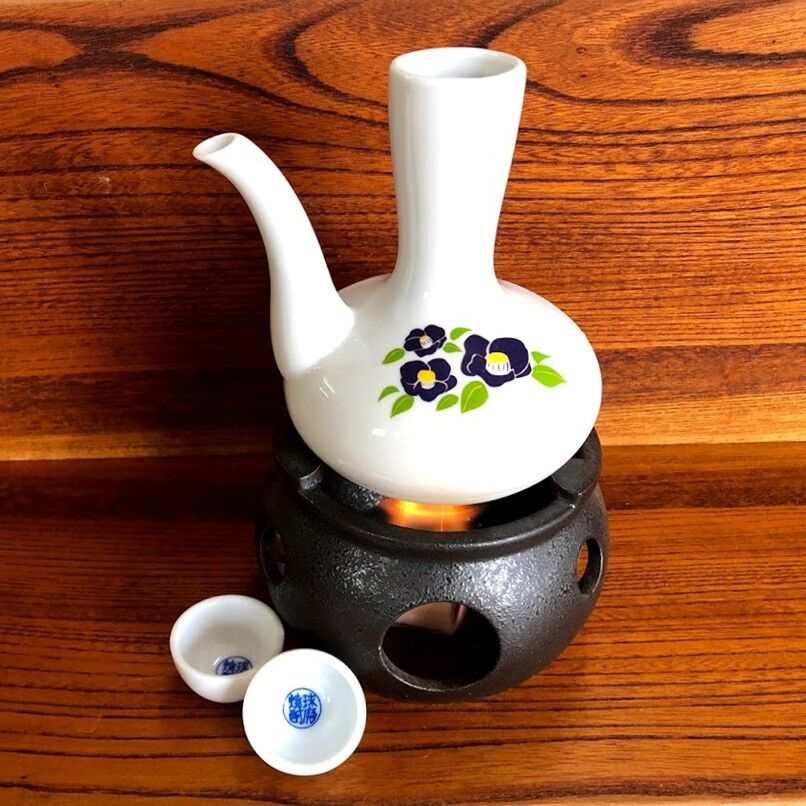
In Japanese “mae” means before and “wari” means cut so maewari shochu or awamori is cut before service, usually 24 hours to 1 week prior. Izakaya that take their maewari program seriously will have large storage pots that are filled beforehand with water and shochu (usually 5:5). These shops will often provide you with a small burner and fill a kuro joka (black ceramic kettle) with your preferred maewari shochu, which you can serve yourself. If you would prefer the maewari shochu over ice, you should make that clear.
Atsukan
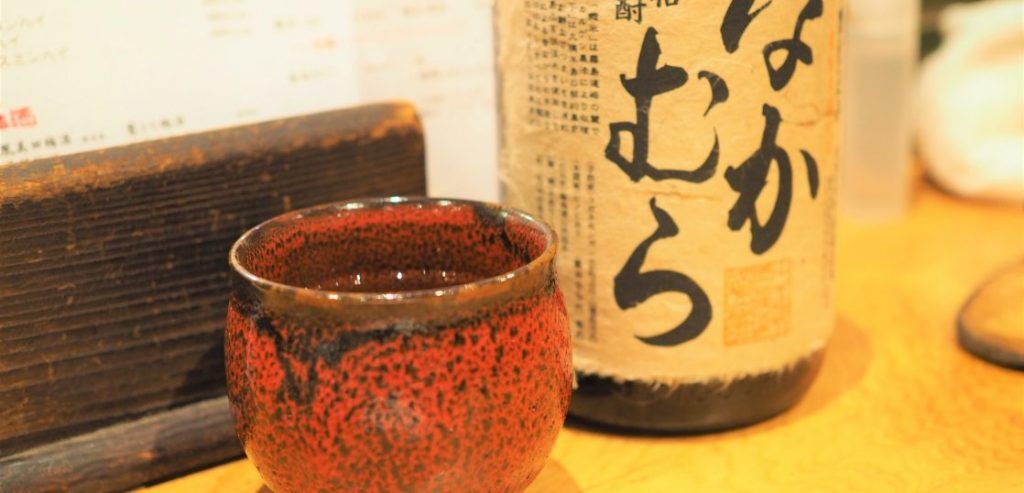
Shochu or awamori can also be served after being heated directly as is done in a sake style. Again, be careful not to burn the spirit. 55-60° C (131-140° F) should be plenty warm enough. This is uncommon, but some older men still drink it this way since 25% ABV is a relatively recent phenomenon and they used to cut their 35% spirit down to about 25% back in the day.
Kan Roku
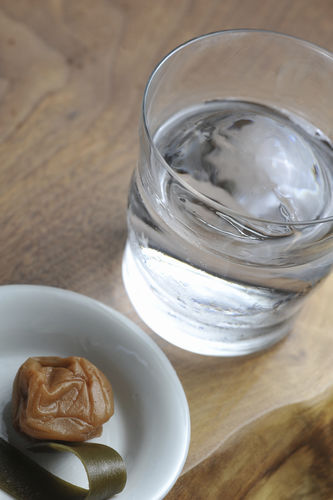
This is an extremely uncommon hot shochu service style, but it can be absolutely lovely. This is Stephen’s preferred style when he has the time and patience, because it takes a bit of work. Make your atsukan shochu as described above and then pour that over a big ball of ice. The heat brings out the sweetness while the chill of the ice with the hot shochu gives you a really lovely mouthfeel.

Heat the shochu. 
Pour over ice.
Drink in Good Health
Generally, shochu and awamori can be consumed in a wide variety of ways, though the play with temperature and dilution of shochu is much more diverse than with awamori. Whether you like cool shochu or hot shochu, there is plenty of enjoyment to be had exploring the different service styles.
Leave a Reply